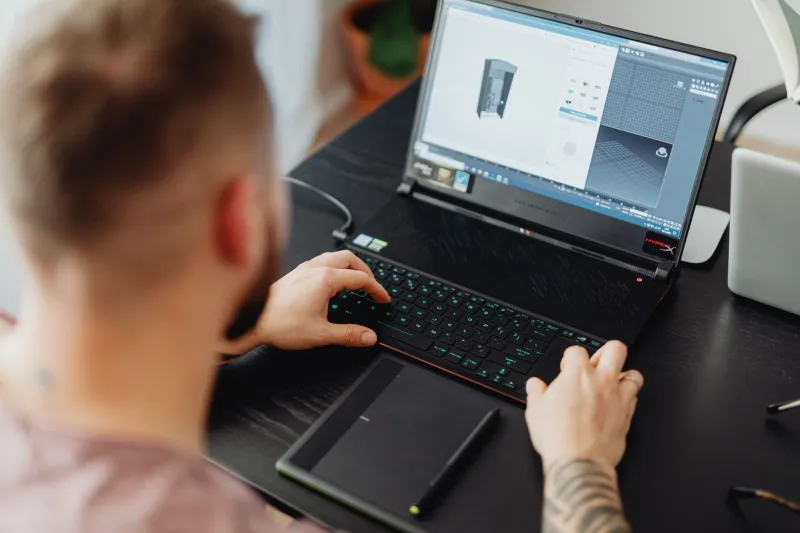
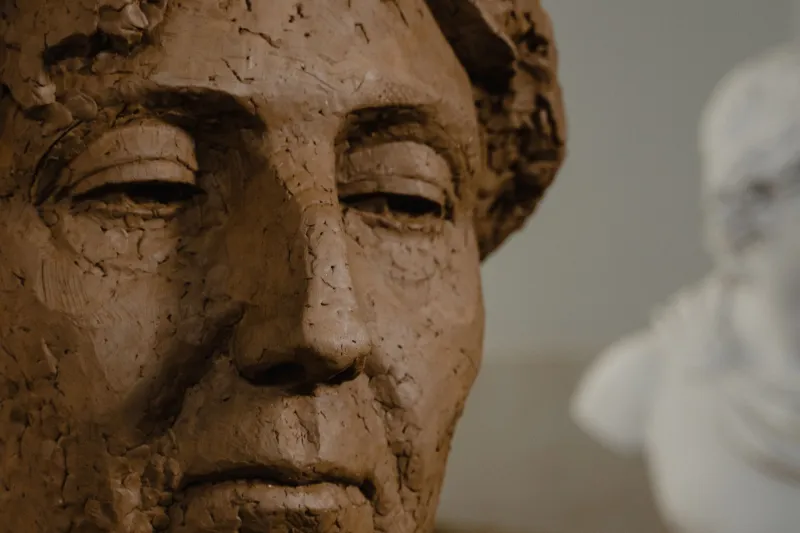
When Solo Magic Hits a Team Wall: Surviving the Group Project Grind
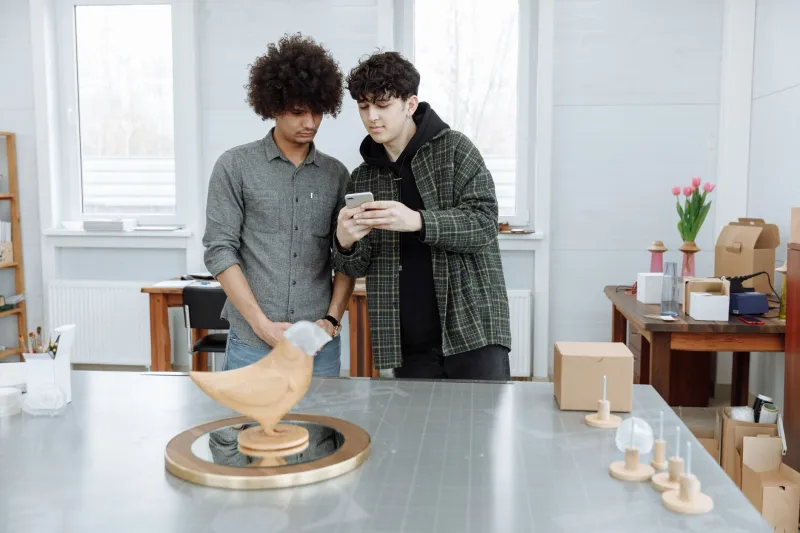
There's a specific kind of frustration that only digital sculptors know. You've spent months — maybe years — dialing in a personal workflow. Your brushes feel like extensions of your hands. Your naming conventions, your layer logic, your approach to surface detail — it all flows. Then you join a studio project, and within two days, it feels like someone handed you a stranger's keyboard.
Collaboration in 3D environments is genuinely hard, and not for the reasons most artists expect. It's rarely about talent. It's about the invisible architecture of how individual artists think — and how badly those architectures can clash when they're forced to share the same pipeline.
The Style Problem Nobody Talks About
When you sculpt alone, your aesthetic instincts run the show. You make ten micro-decisions per minute — how sharp that jawline sits, how much skin texture reads at a given distance, where you let the surface breathe versus where you push detail. None of those decisions are written down. They live in your hands.
Drop that into a group project with three other sculptors, and suddenly those instincts become a liability. One artist leans toward hyper-realism, another toward a stylized, painterly quality, and a third is chasing a specific look the art director referenced from a 2019 cinematic trailer. The result? A character that looks like it was assembled from spare parts.
This is the collaboration paradox in its purest form: the very quality that makes solo sculpts sing — a unified, intuitive visual voice — is the first thing that gets negotiated away in group settings.
The fix isn't to suppress your style. It's to externalize it early. Before a single polygon gets pushed, the team needs a shared visual bible — not just a mood board of references, but a document that breaks down specific surface treatment decisions. How do you handle pores? What's the agreed approach to edge sharpness on hard-surface elements? What level of asymmetry is acceptable? Getting granular here feels tedious, but it's the difference between a cohesive final asset and a Frankenstein mesh that nobody claims.
Pipeline Conflicts Are Personal Conflicts in Disguise
Here's something studios don't advertise: most collaboration breakdowns that look like technical issues are actually interpersonal ones. When an artist refuses to rename their mesh layers according to the shared naming convention, that's not laziness — that's a signal they don't feel ownership over the project structure. When someone keeps submitting sculpts that ignore the agreed poly budget, they're not careless; they're communicating that the constraints feel arbitrary to them.
Shared asset pipelines are where individual working styles get the most direct pressure. ZBrush projects, Blender file structures, hand-off formats to rigging teams — every one of these touchpoints is an opportunity for friction. The artists who thrive in these environments aren't necessarily the most technically flexible. They're the ones who understand that the pipeline is the collaboration. Respecting it is how you show respect for your teammates' time.
If you're stepping into a group project for the first time, spend the first day doing nothing but understanding the file structure. Ask questions that feel too basic. Find out where things break down on previous projects. That investment pays back faster than any new brush pack.
Feedback Systems That Actually Work
Solo artists typically have one feedback loop: their own eyes. Maybe a trusted friend or a Discord community if they're lucky. Collaborative projects introduce structured critique cycles, and for sculptors who've never worked in that environment, it can feel like a siege.
The key shift is learning to separate feedback on craft from feedback on vision. If a lead artist tells you a character's silhouette isn't reading well at thumbnail size, that's craft feedback — it's actionable, it's objective, and taking it on board doesn't compromise your identity as an artist. If the same person tells you to make every character look "rounder and more approachable" because of a brand directive, that's a vision-level conversation — and it deserves a real discussion, not just a quiet nod followed by private resentment.
The artists who burn out fastest in studio environments are the ones who accept all feedback silently and then quietly fight it in their sculpts. The ones who last learn to advocate clearly and professionally for their creative instincts while staying genuinely open to the constraints the project actually needs.
One practical move: when you receive feedback that conflicts with a decision you made deliberately, explain the decision before you revise it. Not defensively — just transparently. "I pushed the brow ridge harder here because I wanted to anchor the read at a distance" is a sentence that opens a conversation. It gives the feedback-giver the chance to either affirm that the choice works or explain why the project needs something different. Either outcome is better than silent compliance.
Protecting Your Craft Without Becoming Difficult
There's a reputation trap that solo artists fall into when they join collaborative projects: becoming known as the person who's "hard to work with." Usually, this label gets applied to artists who care deeply about their work — which is exactly the kind of artist every studio wants. The problem isn't the caring. It's the communication.
A few habits that help:
Document your decisions. When you make a deliberate craft choice — a specific edge treatment, a texture approach, a proportional decision — leave a note in the file or the project management tool. This isn't about covering yourself. It's about making your thinking visible so collaborators can engage with it rather than override it.
Pick your battles with intention. Not every creative compromise is a loss. Some constraints make your work better. Some feedback reveals a blind spot. Save your strongest advocacy for the decisions that genuinely matter to the integrity of the piece.
Learn the difference between your style and your ego. This one's uncomfortable, but it's worth sitting with. Sometimes what feels like protecting your artistic vision is actually just attachment to the first solution you found. Good collaborators can tell the difference — and so can you, if you're honest.
The Long Game
The sculptors who build lasting careers in studios aren't the ones who compromise everything to fit in. They're also not the ones who fight every battle. They're the ones who figured out how to bring a strong individual voice into a shared creative space without treating every project like a solo exhibition.
That's a skill that takes time to develop, and it's genuinely separate from your sculpting ability. You can be technically exceptional and still struggle with it. But the artists who crack it? They don't just survive collaborative environments. They become the reason those environments produce their best work.