Hands Off: Is Ditching Clay Costing Digital Sculptors More Than They Realize?
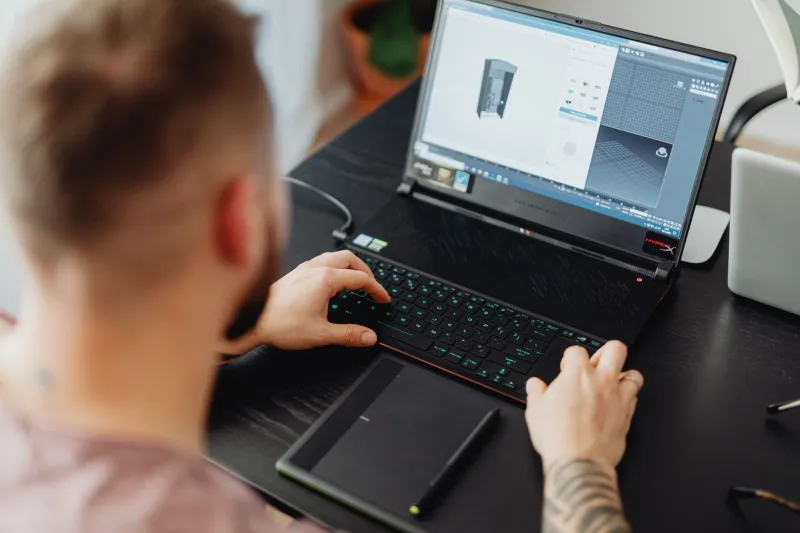
There's a running joke in certain corners of the 3D art community: the most expensive piece of equipment in a digital sculptor's studio is the Wacom tablet, and the cheapest is the untouched block of Super Sculpey still in its original packaging from 2019. Funny, sure. But also kind of telling.
Over the past decade, tools like ZBrush, Blender, and Nomad Sculpt have democratized character creation in ways that would've seemed like science fiction to the creature shop artists of the '80s and '90s. You can now sculpt a fully detailed creature bust on a lunch break, iterate endlessly without wasting a single ounce of material, and undo literally any mistake you've ever made. It's incredible. It's also, according to a growing chorus of veteran artists, quietly hollowing out a foundational skill set that used to be non-negotiable.
So here's the real question: is skipping traditional sculpture a creative shortcut, or a long-term liability?
The Tactile Gap Nobody Talks About
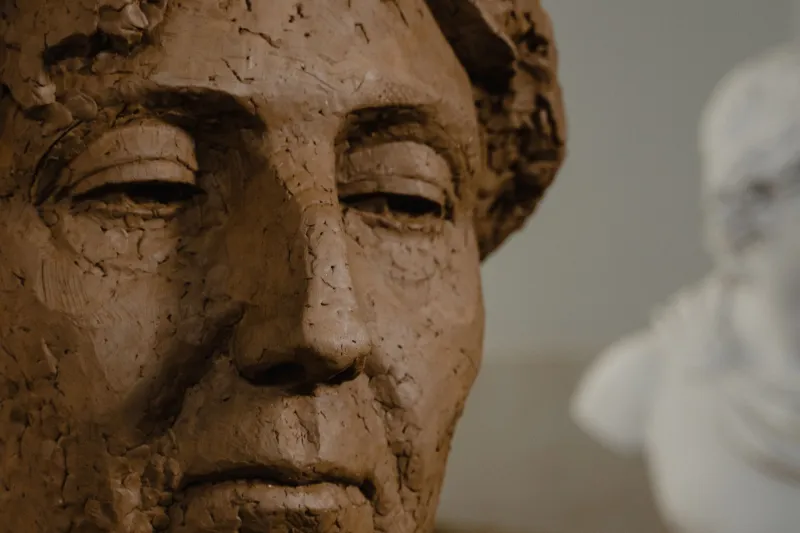
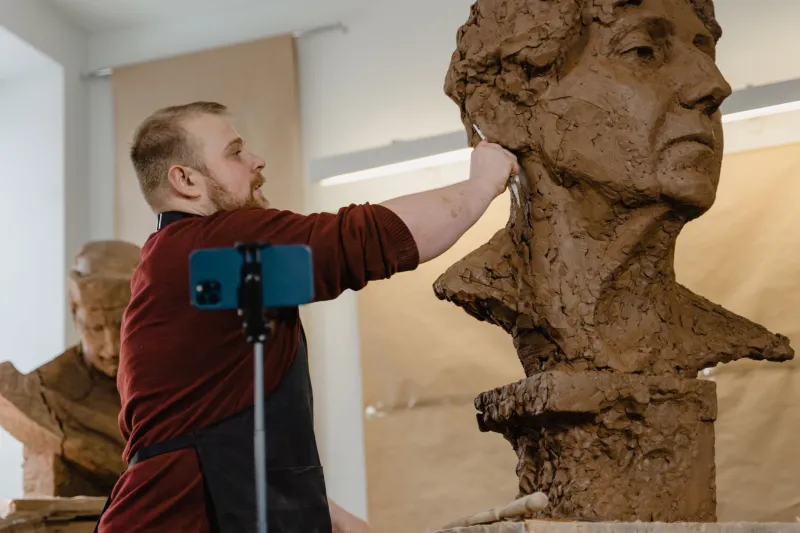
Ask any sculptor who's been working since before the digital revolution and they'll tell you the same thing — clay teaches you something a stylus just can't. When you're pushing physical material around, you're constantly negotiating with gravity, resistance, and the structural logic of form. You can't just Ctrl+Z when a cheekbone collapses. You have to understand why it collapsed.
Veteran creature designers who've worked across practical effects and digital pipelines — the kind of folks who've built puppets for film and then transitioned into supervising digital assets — often describe traditional sculpting as learning to "read" form in three dimensions rather than just render it. There's a difference between knowing what something looks like and understanding how it holds together spatially. Clay forces the latter.
That understanding, they argue, translates directly into better digital work. Artists who've spent time in the physical world tend to approach mass and weight differently. They think about how skin folds under pressure, how fat deposits behave, how bone structure influences surface form — not because they memorized a tutorial, but because they've literally felt those relationships play out under their hands.
Liberation or a Convenient Excuse?
To be fair, the other side of this argument is worth taking seriously. Digital sculpting has removed real barriers. Artists who don't have access to studio space, who live in small apartments, who have sensory sensitivities to materials, or who simply can't afford the ongoing cost of physical supplies — these folks can now build genuinely impressive portfolios without ever touching a lump of epoxy putty. That's not nothing. That's actually a big deal for the diversity of voices entering the industry.
And plenty of working digital sculptors are producing stunning, anatomically sophisticated work without a single hour of traditional training. The tools have gotten good enough — and the online learning ecosystem rich enough — that motivated artists can develop strong spatial intuition through purely digital practice. Sculpting thousands of hours in ZBrush will teach you something, even if it's not the same thing clay teaches you.
So maybe the real issue isn't whether traditional sculpting is essential — it's whether the industry is being honest about what gets lost when it disappears from the curriculum.
What the Studios Are Actually Saying
Here's where things get interesting. Talk to art directors and character supervisors at major studios — the people actually hiring — and you'll hear a more nuanced take than either the "clay is dead" or "clay is sacred" camps tend to offer.
Many hiring managers still view traditional sculpting experience as a differentiator, particularly for senior roles. Not because they expect artists to show up with a portfolio of maquettes, but because it signals a certain depth of three-dimensional thinking. It suggests the artist has wrestled with form in a way that builds instincts, not just skills.
At the same time, very few studios are turning away strong digital artists simply because they lack physical sculpting experience. The practical reality of production schedules means results matter more than process pedigree. If your digital work is clean, expressive, and production-ready, you're getting the callback.
The middle ground? A lot of experienced voices in the industry suggest that even a short engagement with traditional sculpting — a semester-long class, a weekend workshop, a few months of self-directed practice — can meaningfully shift how an artist approaches digital work. It doesn't need to be a years-long detour. It just needs to happen.
The Curriculum Question
This is where the debate gets loudest, especially in academic circles. Art programs that train digital artists are under constant pressure to keep curricula current and market-relevant. Adding traditional sculpting requirements can feel like asking students to learn to drive a stick shift in a world of automatic transmissions — theoretically useful, practically inconvenient.
But a number of respected programs — including some at schools with strong entertainment arts pipelines — have held the line on requiring foundational physical art courses, including sculpture, life drawing, and painting. Their argument is straightforward: digital tools are interfaces. Artistic judgment is the thing underneath. And artistic judgment, particularly around three-dimensional form, develops faster and more durably when it's been tested against physical reality.
Other programs have moved almost entirely into digital workflows, arguing that the same outcomes can be achieved through digital life-sculpting exercises, anatomy studies in ZBrush, and rigorous critique culture. The jury's still out on whether they're right — but the graduates are getting jobs, which makes the argument harder to dismiss.
Should You Pick Up Some Clay?
If you're a digital sculptor who's never worked in a physical medium, here's an honest take: you're probably not missing something catastrophic. Your career isn't doomed. The industry isn't going to shut the door on you.
But there's a decent chance you're leaving something useful on the table. Even a few months of working with oil-based clay or polymer clay — really pushing it around, building forms from scratch, fighting the material — tends to recalibrate how artists see mass and volume in ways that show up in their digital work. It's one of those investments that doesn't feel immediately productive but pays out quietly over time.
At minimum, it's worth trying once. Not because tradition demands it, but because the best digital sculptors tend to be artists who've tested their spatial instincts across multiple contexts. Clay is one of the most honest tests there is — it doesn't have undo, it doesn't have symmetry mode, and it absolutely does not care about your deadline.
That kind of humbling tends to be good for the craft.